News, Blogs and Notices
News, blogs and notices
Delve into the latest news, information and opinions.
Click on the tabs below to select news, blogs or notices.
Displaying 1 - 18 of 1281
news

Request for Proposals: Strategy Development for The Wheel
news

Attend the First New Solutions Social Innovation Lab Event (Galway, 9 June)
news

National Social Enterprise Census 2026 Now Open!
news

NESC to Host Climate Action and Sustainability Workshops in Dublin and Athlone
news

Be Part of EU-wide Social Economy Digitalisation Survey
news

Is Your Organisation Affected by High Insurance Costs?
news

Applications Now Open for Coca‑Cola Thank You Fund
news

Next Charity Trustee's Week Taking Place 22 - 26 Feb 2027
news

Applications Invited for the Skills for Tomorrow Fund
news

Applications Open for the Traveller and Roma Local Employment Initiative
news

Webinar: Supporting Individuals with Disabilities into Education and Work (3 June)
news

The Wheel has Appointed Pat Watt as CEO
news

€750,000 Power to Participate Fund for Disabled Persons’ Organisations Launched
news

Nominations Now Open for AIB Community €1 Million Fund 2026
news

Royal Irish Academy Inviting Applications for new Disinformation Research Grant
news

Only One Week to Go. Join Us at Summit 2026
news

Applications open for Rethink Ireland's Sustainability Step-Up Fund
news

Save the date: National Volunteering Week - 18-24 May
Displaying 1 - 18 of 180
blog

International Women's Day 2026: Rights, Justice, Action, For All Women and Girls
blog

The EU's Long-term Budget and Civil Society
blog
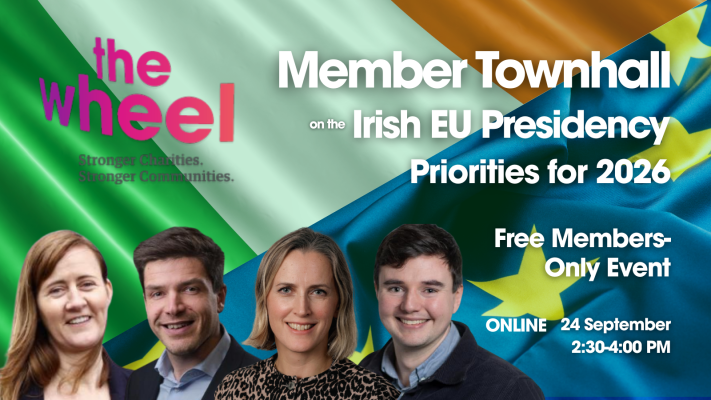
Ireland’s EU Presidency: A Report from our Member Townhall
blog
Presidential Election 2025: The Candidates Share their Visions for Civil Society
blog
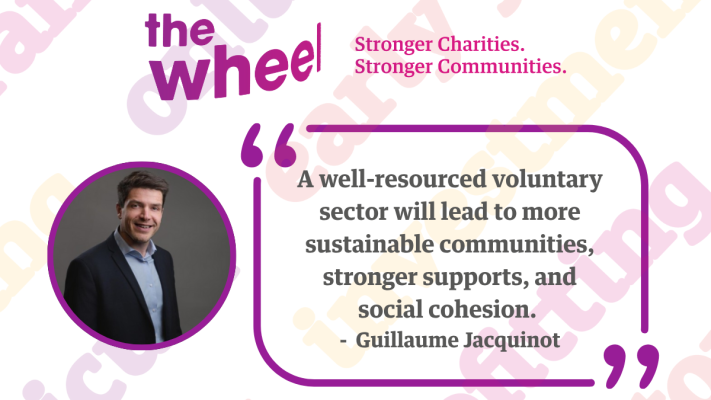
A Failure to Invest in Communities Will Fuel Division: Lessons from France
blog
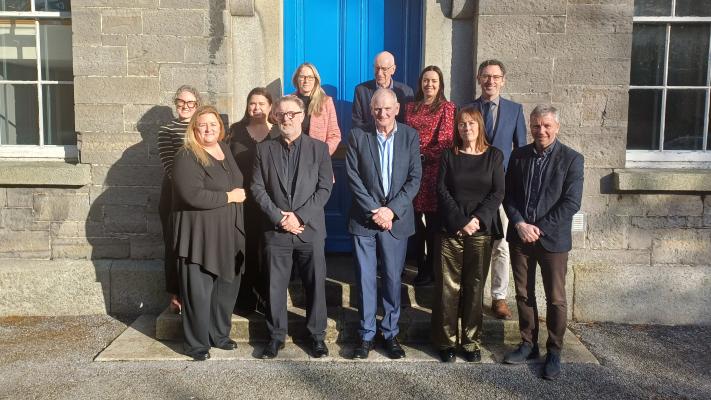
A Community and Voluntary Sector Voice on the National Skills Council
blog
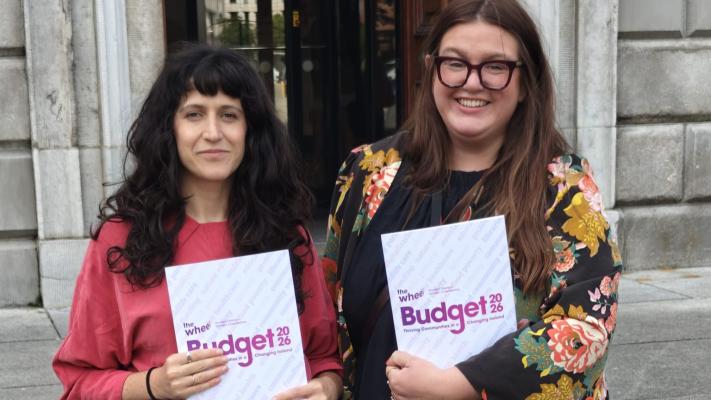
Bringing our Members’ Priorities to Government
blog
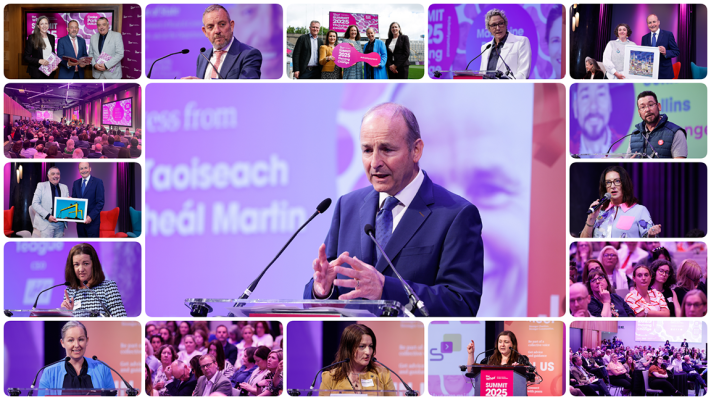
Summit 2025: Highlights and Insights
blog
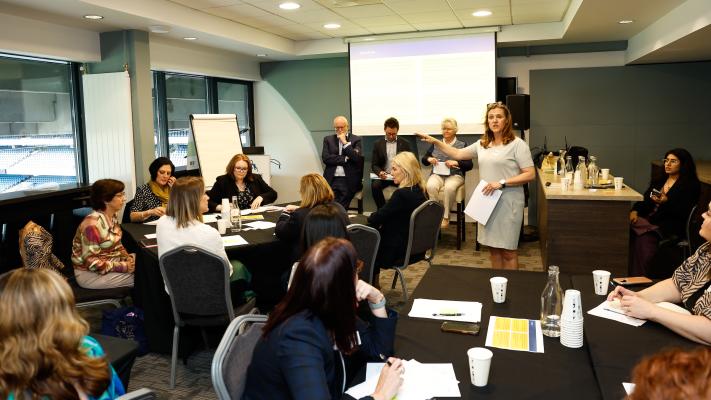
Summit 2025: Key Takeaways from the Member-Led Sessions
blog

Charities Face Funding Freefall: Why Hope Is No Longer a Strategy
blog
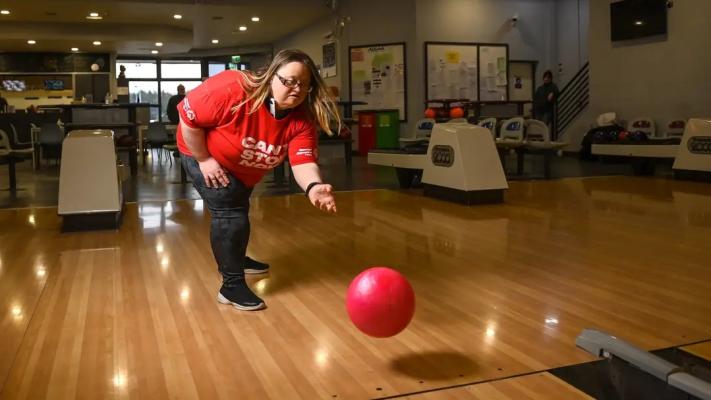
Una Coates, Self-Advocacy, and International Day of Down Syndrome 2025
blog

End of Year Message from The Wheel
blog

Ruhama wins Charity of the Year 2024
blog
Key Highlights of Budget 2025 & Its Impact on the Community and Voluntary Sector
blog
Budget 2025 Ask #10 - Supporting our Sector to Deliver
blog
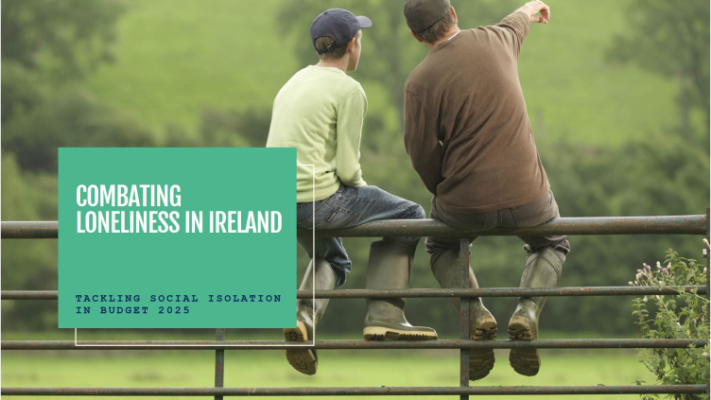
Budget 2025 Ask #9 - Tackling Social Isolation: Combating Loneliness in Ireland
blog
Budget 2025 Ask #8 - Supporting Sustainable Communities
blog

Budget 2025 Ask #7 - Supporting Children and Young People in Budget 2025
Highlight Your Events and Initiatives On the Community Noticeboard
Displaying 1 - 18 of 2370
notice
5 minutes to shape the future of repair: plus a chance to win €75
notice
AIB Community Fund - Information Event, 10 June
notice
Webinar - One Health in Action: Strengthening Collaboration Across Health and Agriculture, 18 June
notice
Strengthening Policy Capacity for Public Servants in a Complex and Digital Era
notice
The Hidden Disability - FASD - Radio Documentary by ClareFM
notice
New Practical Guide to Freedom of Information
notice
Debating Europe’s Digital Future on the Eve of Ireland’s EU Presidency , 30 June
notice
Listen to ADAPT Radio – Cyber Security & Societal Resilience: Building Ireland’s Digital Defences
notice
Invitation to Drinkaware Summer 2026 Research Briefing, 17 June
notice
Upcoming Training & Events by Léargas
notice
STAND is Recruiting for an Operations Manager
notice
Social economy skills - baSE project event: 9 July
notice
Your Council Day 2026, 26 June
notice
Oral History Network Ireland (OHNI) Annual Meeting, Tralee 18th-19th June 2026
notice
Invitation: Conference on Borders and boundaries: an interdisciplinary exploration, 9 June
notice
Webinar: Innovative Solutions to Delivering Palliative Care in Africa, 11 June
notice
Neurodiversity Training, 19 July
notice
WorkPride 2026: Global Digital Pride Conference (8–12 June)
Displaying 1 - 1 of 1